
Introduction
What if looking after your health was easier than you think?
The term «prevention» is commonly used by healthcare professionals, such as doctors and nurses, and is making increasing inroads in the media. But what does it really mean?
Prevention refers to all the measures measures to prevent the onset, aggravation or recurrence of illnesses, accidents or health complications. It is based on anticipatory action to protect the population and improve quality of life.
The aim?
Reduce risks and promote health by intervening before a problem manifests itself or worsens.
There are three types of prevention :
- Primary prevention : Prevent the onset of a disease (e.g. vaccination, healthy lifestyle).
- Secondary prevention : Early detection of pathologies to limit the consequences (e.g. cancer screening).
- Tertiary prevention : Reduce complications and improve quality of life for patients with chronic diseases (e.g. rehabilitation, post-surgery follow-up).
When it comes to healthcare, prevention is essential to reduce morbidity, improve care and optimise medical resources.
In this article, discover 5 simple gestures to optimise your day-to-day health!
Eat a balanced diet without worrying!
Every day we hear about «diets» and other terms that are often perceived as restrictive. But eating well doesn't mean depriving yourself!
A balanced diet is the key, especially if you are overweight. The aim is not to banish pleasures, but rather to’adopt a balanced approach, such as the 80/20 rule«
- 80 % of healthy food Fruit, vegetables, lean proteins, wholegrain cereals...
- 20 % of pleasure foods chocolate, pastries, gourmet dishes...
Do you love colours? Play with them on your plates for a meal that's as pleasing to the eye as it is to the palate!
And what about hydration?
Drink at least 1 litre of water a day is essential for your body to function properly. For you ladies, it also helps to reduce water retention and cellulite. So grab your water bottles and get ready for the Summer Body!
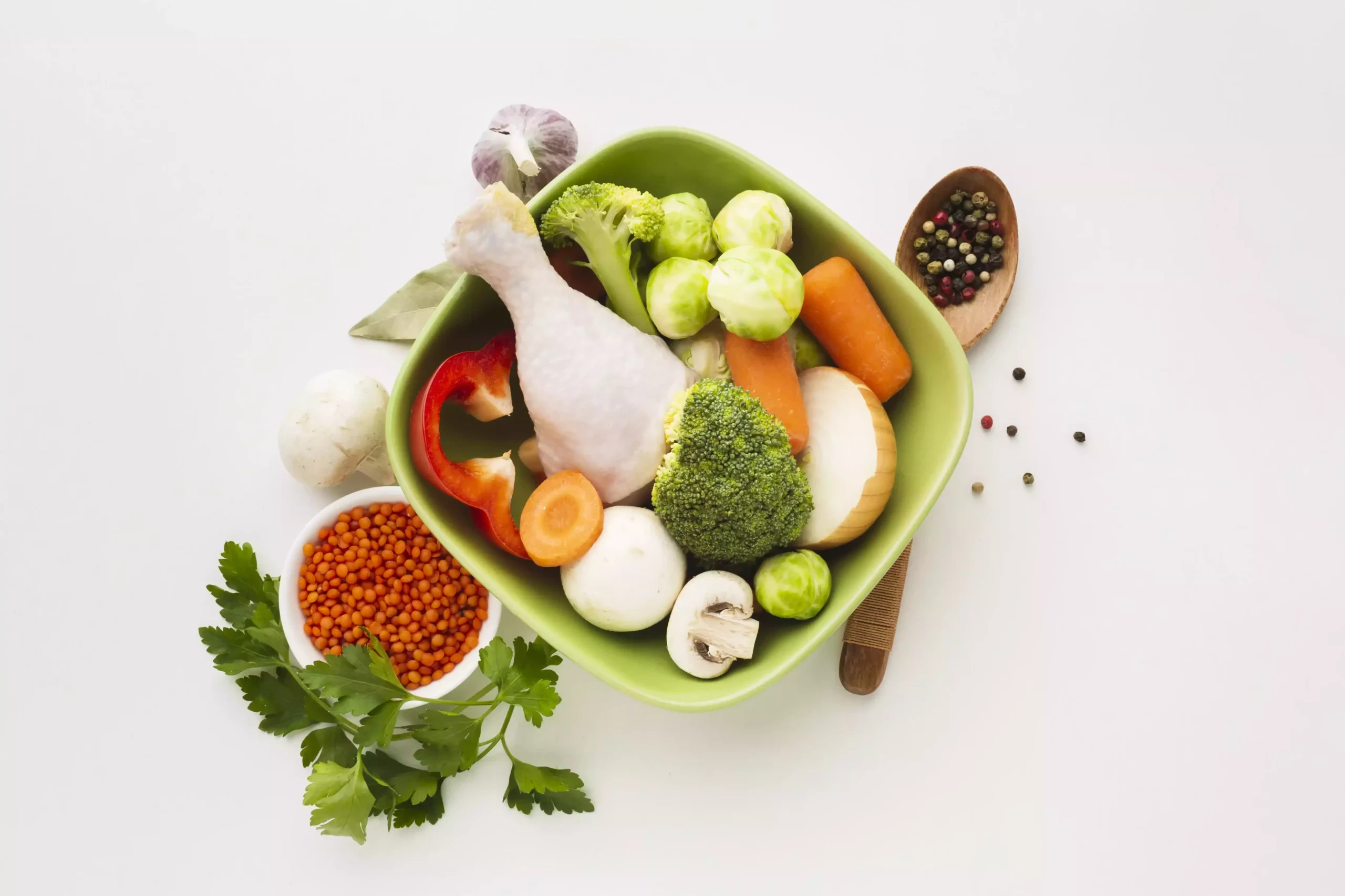
The 80/20 rule can be an effective approach: 80 % of healthy foods and 20 % of pleasures.
Move a little every day
You don't have to be a top athlete to move more! Sport should be a pleasure not a constraint.
The aim here is to find a activity you enjoy: walking, dancing, cycling, swimming... There are a thousand ways to get moving, on your own or in a group.
You can also incorporate more movement into your daily routine:
- Take the stairs instead of the lift
- Getting off the bus earlier
- Going for a walk after dinner
The important thing is not performance, but the regularity. These little habits will make all the difference to your well-being!
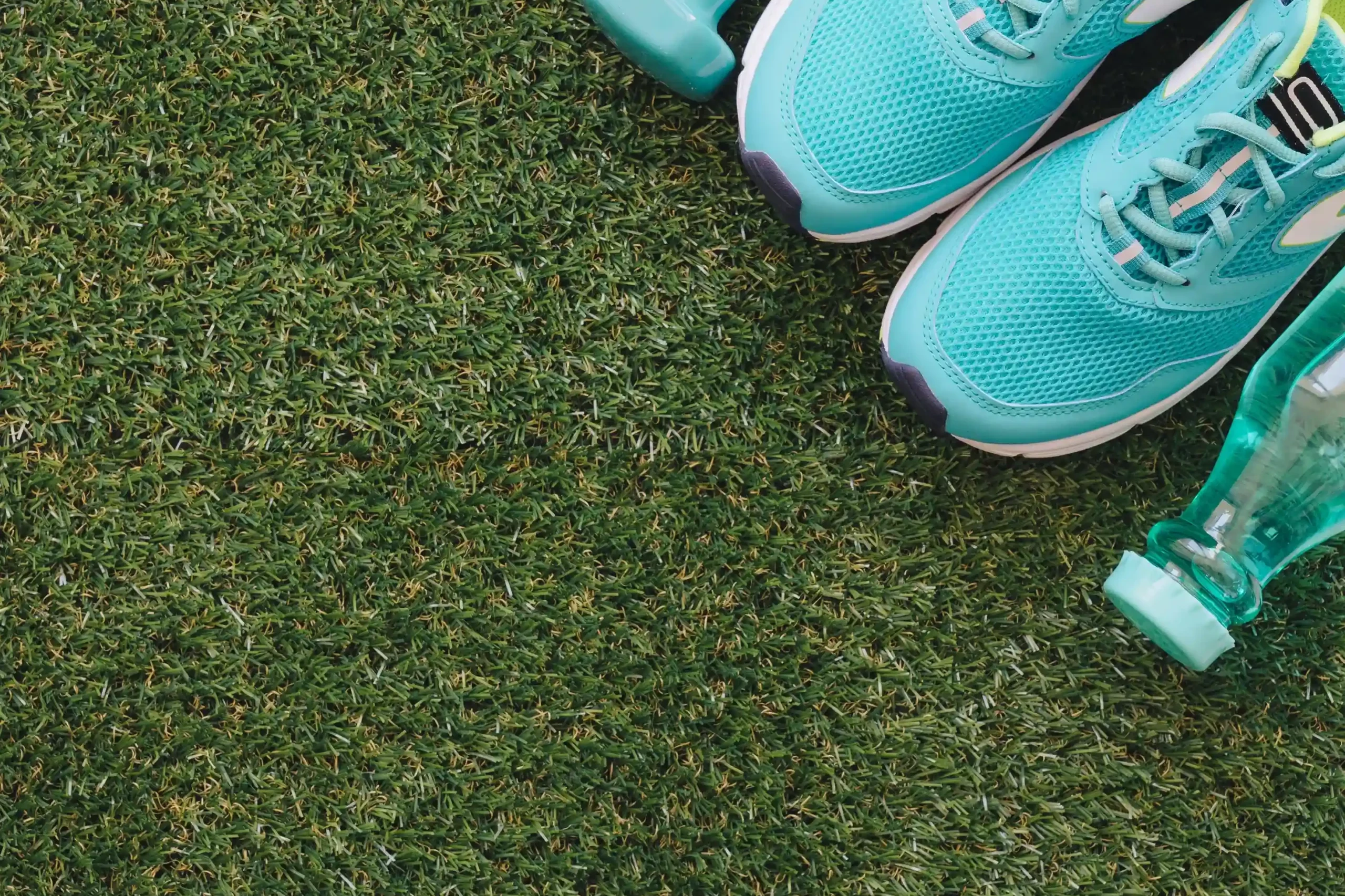
Incorporate more movement into your daily routine, and don't lose sight of the fact that regularity is more important than performance.
Getting a good night's sleep is essential!
Do you like to sleep? You'd be right! Sleep is a an essential pillar of physical and mental well-being.
For a restful night's sleep, it's important to be well prepared for falling asleep:
Avoid screens before bed (they stimulate the brain too much), but opt for a relaxing routine: reading, hot baths, meditation... On this subject, I recommend that you read our article on screen addiction:
→ Screen addiction: a modern evil
A lack of sleep can lead to low morale, fatigue, concentration problems and physiological imbalances.
Listen to your body and give him the rest he needs!
Managing stress before it builds up
Stress is omnipresent in our lives and can have devastating effects on our health. How can we manage it effectively?
Try relaxation techniques:
- Cardiac coherence (breathing exercises available on YouTube)
- Sophrology
- Moments of calm : (soft music, candles...)
Surround yourself with loved ones: social support is a vital anchor. Sharing time with the people you love helps you put things into perspective and manage stress better.
Keeping stress at bay also means protect your heart, your brain and your mental health!

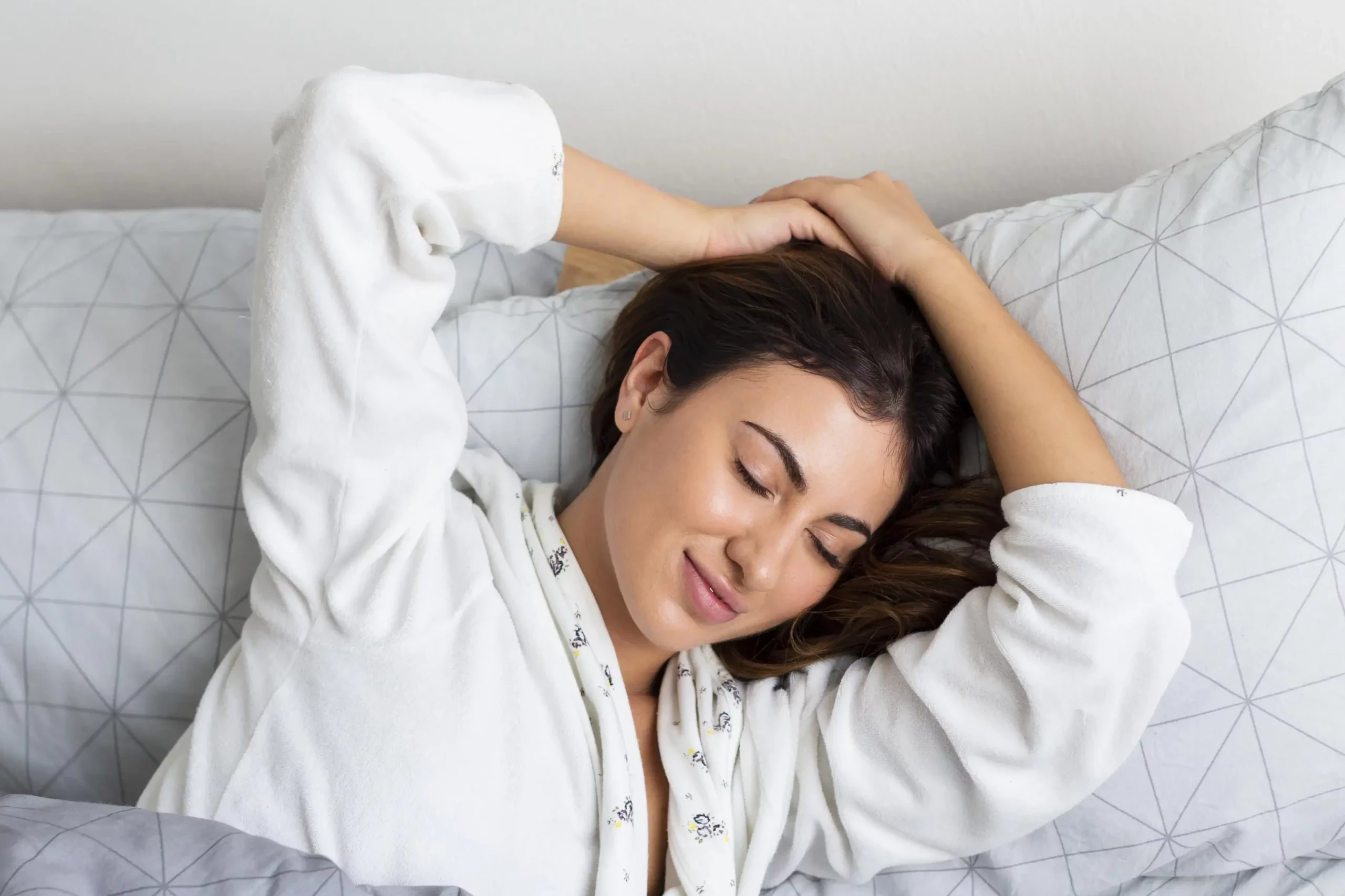
To manage stress, it is advisable to use relaxation techniques such as cardiac coherence or sophrology. It's also a good idea to take time out for yourself.
Have regular check-ups
A regular medical check-ups is the best way of detecting potential health problems at an early stage.
- Blood tests are an excellent reflection of your general state of health.
- Medical check-ups are not always pleasant, but they are essential to optimising your well-being.
- Vaccination as primary prevention, helps to limit the spread of certain diseases. Don't forget to check your vaccination calendar!
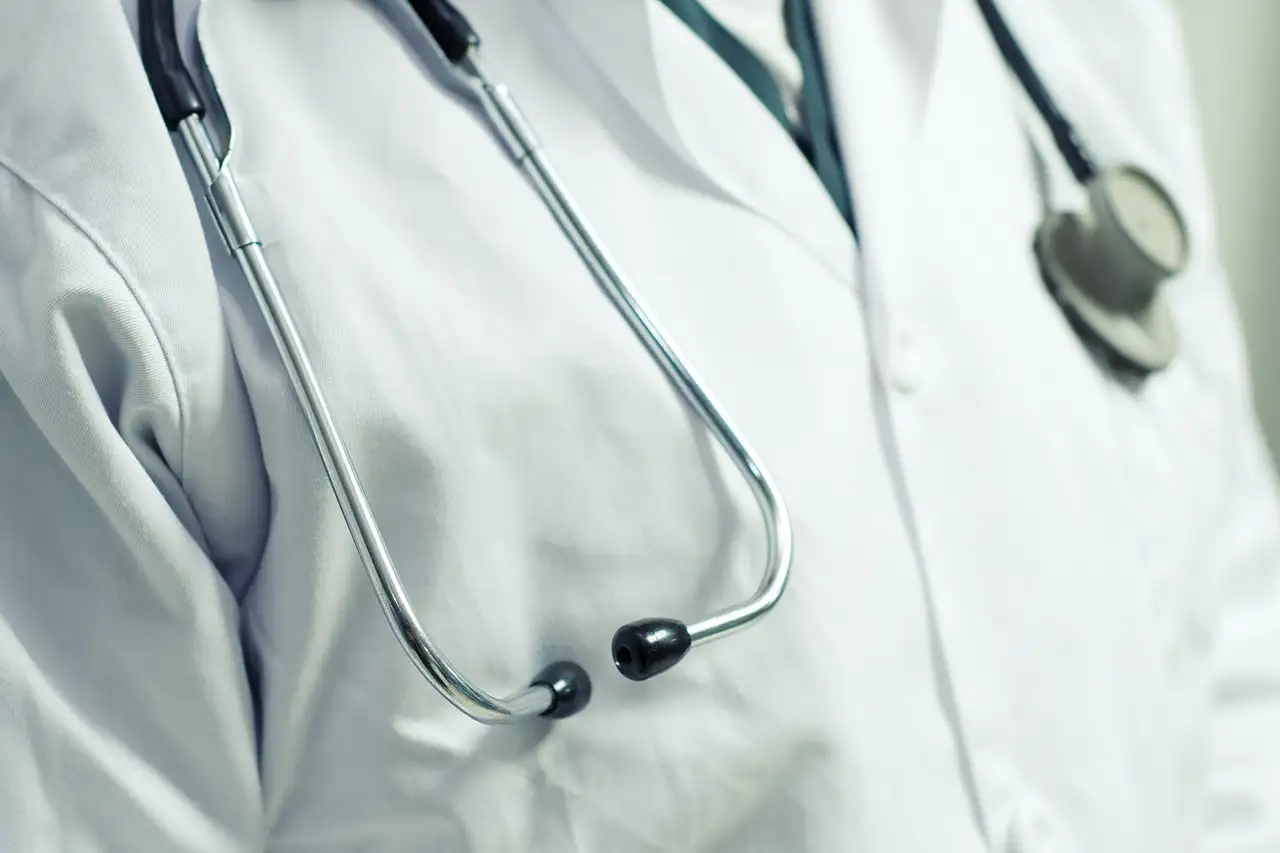
Regular health check-ups enable potential problems to be detected early, thanks to blood tests that reveal your general state of health.
Conclusion
You have just discovered «5 simple gestures» to improve your day-to-day health:
- Eating a balanced diet without frustration
- Move a little each day
- Prioritise good sleep
- Learning to manage stress
- Have regular check-ups
By adopting these little habits, you are helping your body to stay in shape and protect itself through preventive measures.
Every little bit counts!
What are your wellbeing tips? Share them in the comments!

Anaïs
Founder of South Medical Consulting